LED-Straßenleuchten
Acht Serien · 20–480W
Von der kompakten Golden Bean bis zur Mustang für Hochmasten — eine SJLD-Plattform für jede Straßenklasse, alle mit IP65 und Kaltstart bei -40°C.
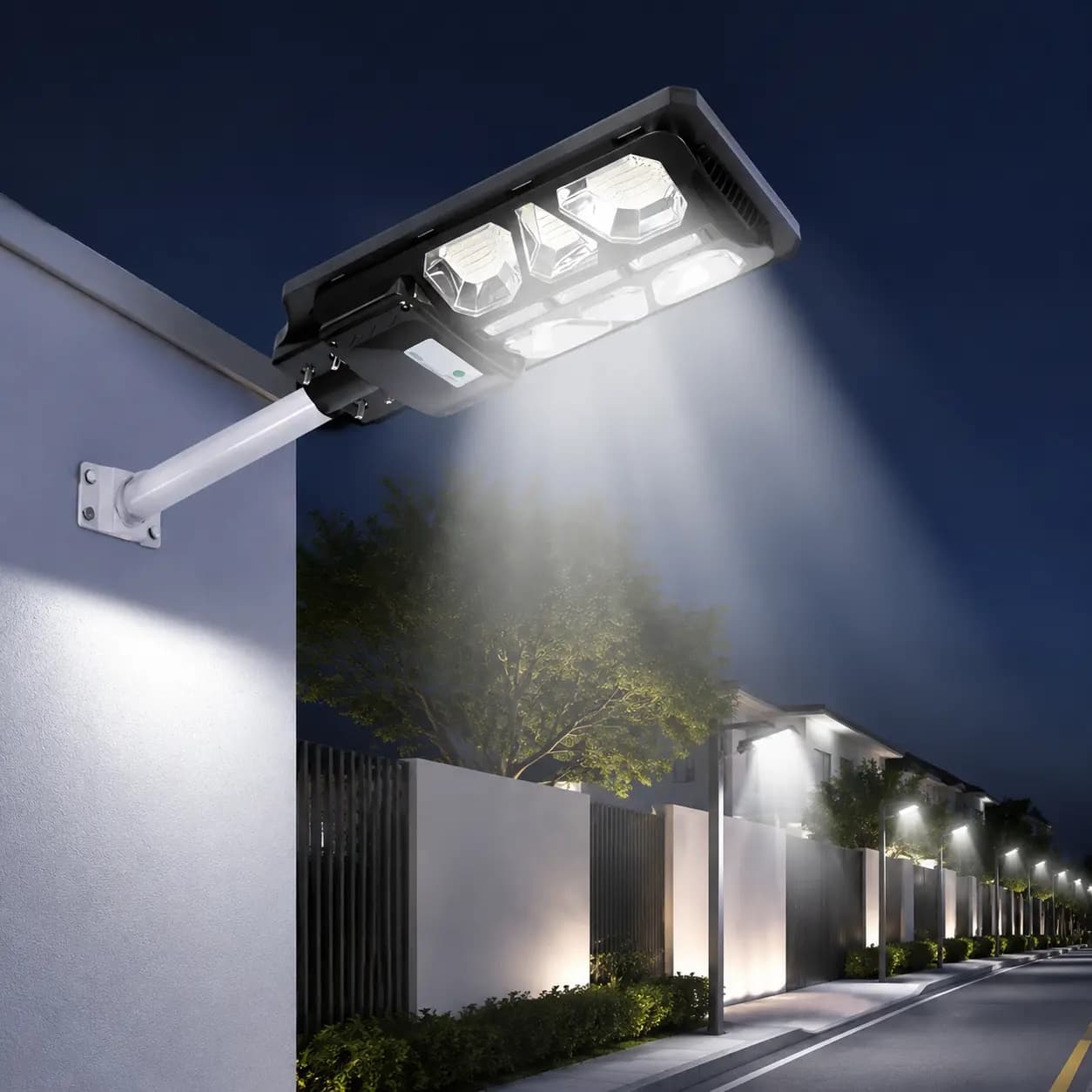
Acht Serien, eine Mastplattform
Jede Serie ist auf ein Leistungsband und eine Straßenklasse abgestimmt. Die Namen entsprechen der Art, wie unsere Kunden sie spezifizieren — wählen Sie nach Aufgabe, nicht nach Artikelnummer.
Golden Bean
Der breiteste Einsatzbereich einer einzelnen Serie — Wohnstraßen, Parkplätze, Wege und Nebenstraßen.
Jet
Sammelstraßen, Campusgelände und Stadtstraßen, die eine saubere, gleichmäßige Ausleuchtung verlangen.
Stellar
Wohnstraßen und Bereiche mit Fußgängervorrang, in denen Sehkomfort und Gleichmäßigkeit im Vordergrund stehen.
Torch
Straßen- und Flächenbeleuchtung im allgemeinen Einsatz über ein breites Band niedriger und mittlerer Leistungen.
Mustang
Einstellbare Hochleistungsstufen für Hauptstraßen, Autobahnen und Hochmastanlagen.
Platypus
Hauptstraßen, Knotenpunkte und große Höfe, die eine kräftige, gleichmäßige Ausleuchtung verlangen.
LumaX
Einstellbare Leistungsstufen, die von Sammel- bis Hauptstraßen alles aus einer Plattform abdecken.
Modular
Modulare Hochleistung für Hauptstraßen, Autobahnkreuze und die Ausleuchtung großer Flächen.
Solar-Straßenleuchten
All-in-One- und Split-Solarstraßenleuchten für Standorte ohne Netzanschluss oder mit teuren Grabungen — Modul, Batterie und LED integriert, mit Schutzart IP65. Batterie und Modul werden nach Ihren Sonnenstunden und der gewünschten Betriebsdauer ausgelegt.
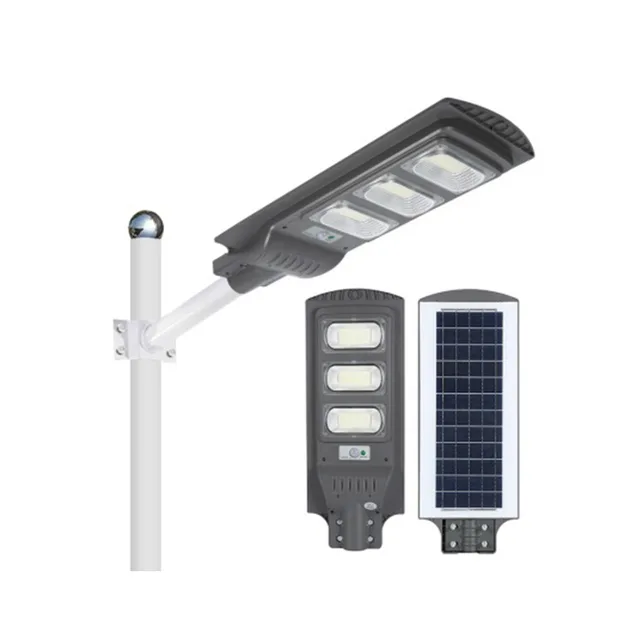
SJLD111S
30 – 150W- Betriebsdauer
- 12 Stunden
- Gehäuse
- ABS + Polysilizium
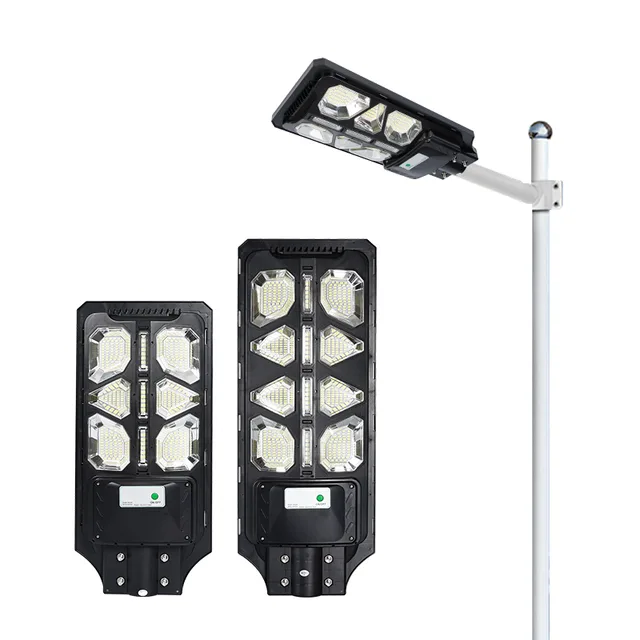
SJLD112S
120 – 200W- Betriebsdauer
- 12 Stunden
- Gehäuse
- ABS + Polysilizium
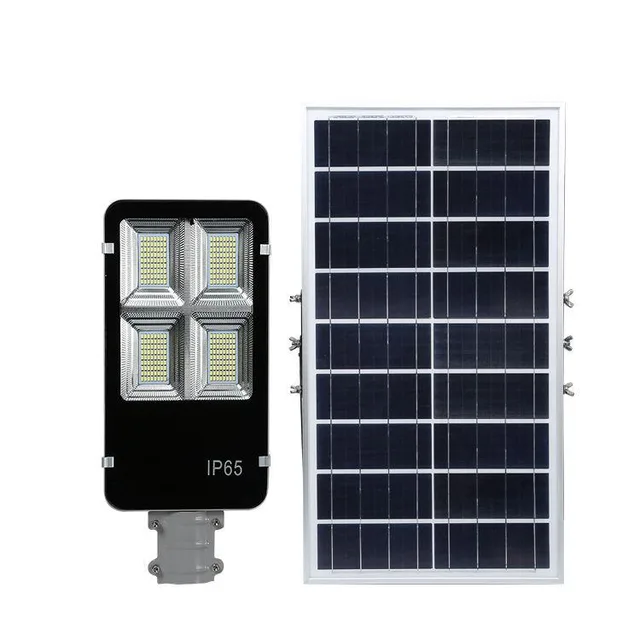
SJLD113S
50 – 300W- Betriebsdauer
- 12 Stunden
- Gehäuse
- Aluminiumdruckguss + Polysilizium
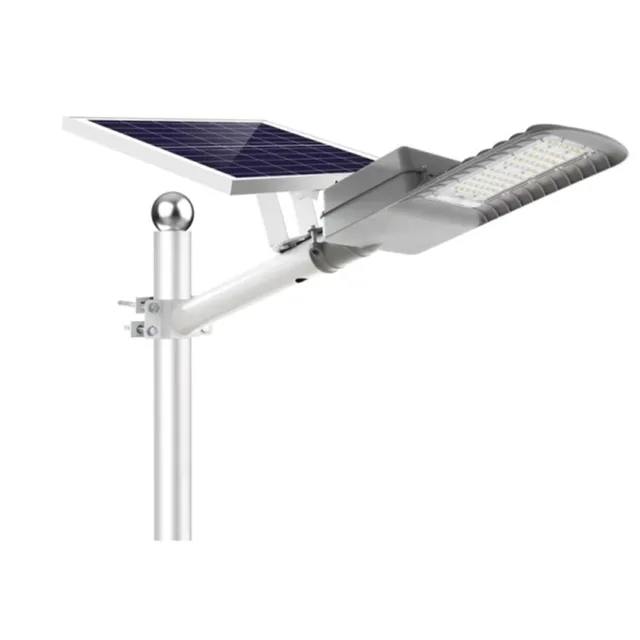
SJLD114S
60 – 300W- Betriebsdauer
- 12 Stunden
- Gehäuse
- Aluminiumdruckguss + Polysilizium
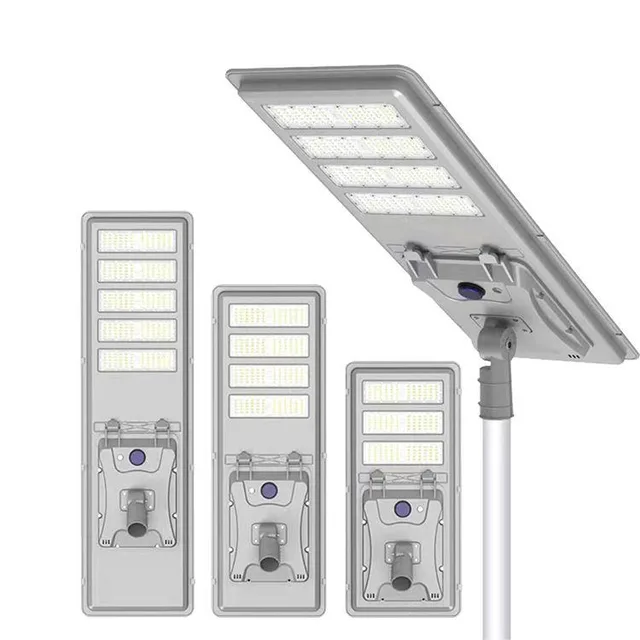
SJLD115S
300 – 800W- Betriebsdauer
- 12 Stunden
- Gehäuse
- Aluminium + Polysilizium
- Merkmal
- Hochleistungs- / Hochmastklasse
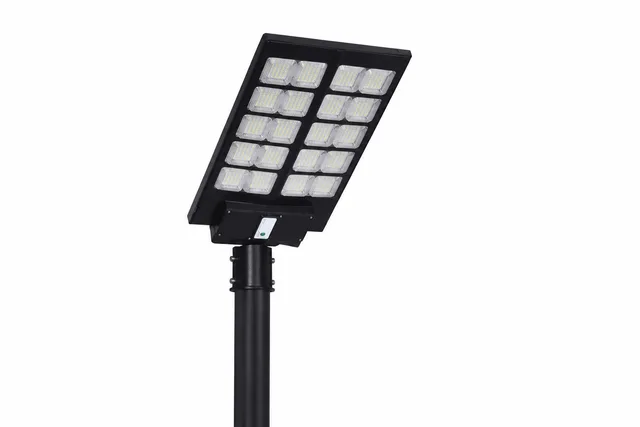
SJLD119S
100 – 360W- Betriebsdauer
- 12 Stunden
- Gehäuse
- ABS + Polysilizium
Angaben aus dem Solarkatalog. Die Betriebsdauer ist eine typische Konfiguration — die endgültige Auslegung von Batterie und Modul folgt den Sonnenstunden Ihres Standorts und der Zielbetriebsdauer.
Schicht für Schicht konstruiert
Jeder SJLD-Kopf ist eine abgedichtete Baugruppe aus Aluminiumdruckguss: Die Sicherheitsglasabdeckung und die Silikondichtung halten Wasser und Staub draußen, die LED-Platine mit Linsen formt den Lichtkegel, und der gerippte Aluminiumkörper mit werkzeugloser Mastaufnahme führt die Wärme ab und wird direkt an Ihren Mast geschraubt.
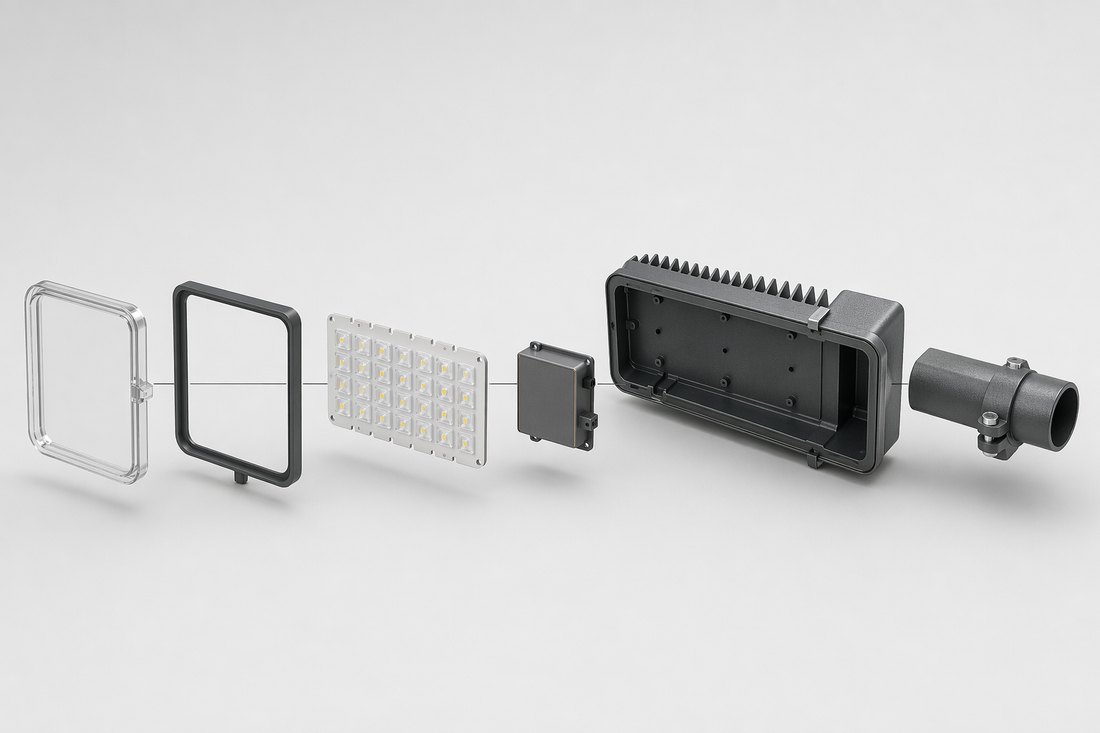
Illustrative CAD-Explosionsdarstellung der SJLD-Kopfbaugruppe.
Das Licht dorthin bringen, wo die Straße ist
Die Optik entscheidet, wie weit das Licht reicht, wie viel danebenfällt und wie weit die Masten auseinanderstehen können. Das sind die drei Straßenverteilungen — nennen Sie uns Ihre Geometrie, und Sie erhalten die passende IES-Datei.
Typ II
Ein langes, schmales ovales Lichtbild, das seitlich abstrahlt — ideal, wenn der Mast nahe am Fahrbahnrand steht, sowie für Radwege und Umfeldbeleuchtung.
Typ III
Eine asymmetrische Vorwärtsverteilung, die das Licht von einem seitlich stehenden Mast auf die Fahrbahn schiebt. Die Referenzverteilung für die meisten Straßenanwendungen.
Typ V
Ein symmetrisches quadratisches beziehungsweise kreisförmiges Lichtbild, das gleichmäßig in alle Richtungen verteilt — passend für mittig stehende Masten, Knotenpunkte und Hochmasthöfe.
Die Verteilungsdiagramme sind illustrativ. Die IESNA-Typen sind ein Branchenstandard — wir stimmen die Optik ab und liefern IES-/LDT-Dateien für Ihr DIALux-Modell.
Die Montagehöhe bestimmt den Mastabstand
Als erste Regel beträgt der Abstand das 3- bis 4-Fache der Montagehöhe. Nutzen Sie das zur Abschätzung der Mastanzahl und bestätigen Sie es mit einer photometrischen Studie.
| Montagehöhe | Typischer Abstand | Typische Nutzung |
|---|---|---|
| 4 – 6 m | 18 – 24 m | Wohnstraßen, Wege, Parkplätze |
| 6 – 8 m | 24 – 32 m | Städtische Sammel- und Verteilerstraßen |
| 8 – 10 m | 30 – 40 m | Haupt- und Durchgangsstraßen |
| 10 – 12 m | 36 – 48 m | Autobahnen und zweibahnige Straßen |
| über 12 m (Hochmast) | Projektabhängig | Autobahnkreuze, Häfen, große Freiflächen |
Zielwerte nach Straßenklasse
Typische Zielwerte für mittlere Leuchtdichte beziehungsweise Beleuchtungsstärke nach den Klassen EN 13201 / CIE. Bitte die genaue Klasse anhand Ihrer lokalen Norm bestätigen.
| Autobahnen / hohe Geschwindigkeit (M1–M2) | 1,5 – 2,0 cd/m² mittlere Leuchtdichte |
| Haupt- und Durchgangsstraßen (M3) | 1,0 cd/m² mittlere Leuchtdichte |
| Sammelstraßen / Stadtstraßen (M4–M5) | 0,5 – 0,75 cd/m² mittlere Leuchtdichte |
| Wohnstraßen / Anliegerstraßen (Klasse P) | 5 – 15 lux mittlere Beleuchtungsstärke |
| Gehwege und Radwege (Klasse P) | 3 – 10 lux mittlere Beleuchtungsstärke |
Leistung an die Straße anpassen
Ein Ausgangspunkt je Straßenklasse. Die endgültige Leistung hängt von Masthöhe, Mastabstand und Zielbeleuchtungsstärke ab — das bestätigen wir mit einer DIALux-Studie nach EN 13201 oder Ihrer lokalen Norm.
| Straßenklasse | Typische Nutzung | Empfohlene Leistung |
|---|---|---|
| Wohnstraße / Fußgängerbereich | Anliegerstraßen, Wege, Parkplätze | 20 – 60W |
| Sammelstraße / Nebenstraße | Stadtstraßen, Campusgelände, Verteilerstraßen | 60 – 120W |
| Hauptstraße | Durchgangsstraßen, Knotenpunkte, stark befahrene Korridore | 120 – 250W |
| Autobahn / zweibahnige Straße | Schnellstraßen, Auffahrten, Überführungen | 250 – 400W |
| Hochmast / Autobahnkreuz / Hafen | Autobahnkreuze, Containerhöfe, große Freiflächen | 400 – 480W |
* Nur als Orientierung, basierend auf allgemeiner Praxis der Straßenbeleuchtung. Fordern Sie eine photometrische Studie für eine normkonforme Auslegung an.
Natriumdampf- und Halogen-Metalldampflampen ersetzen
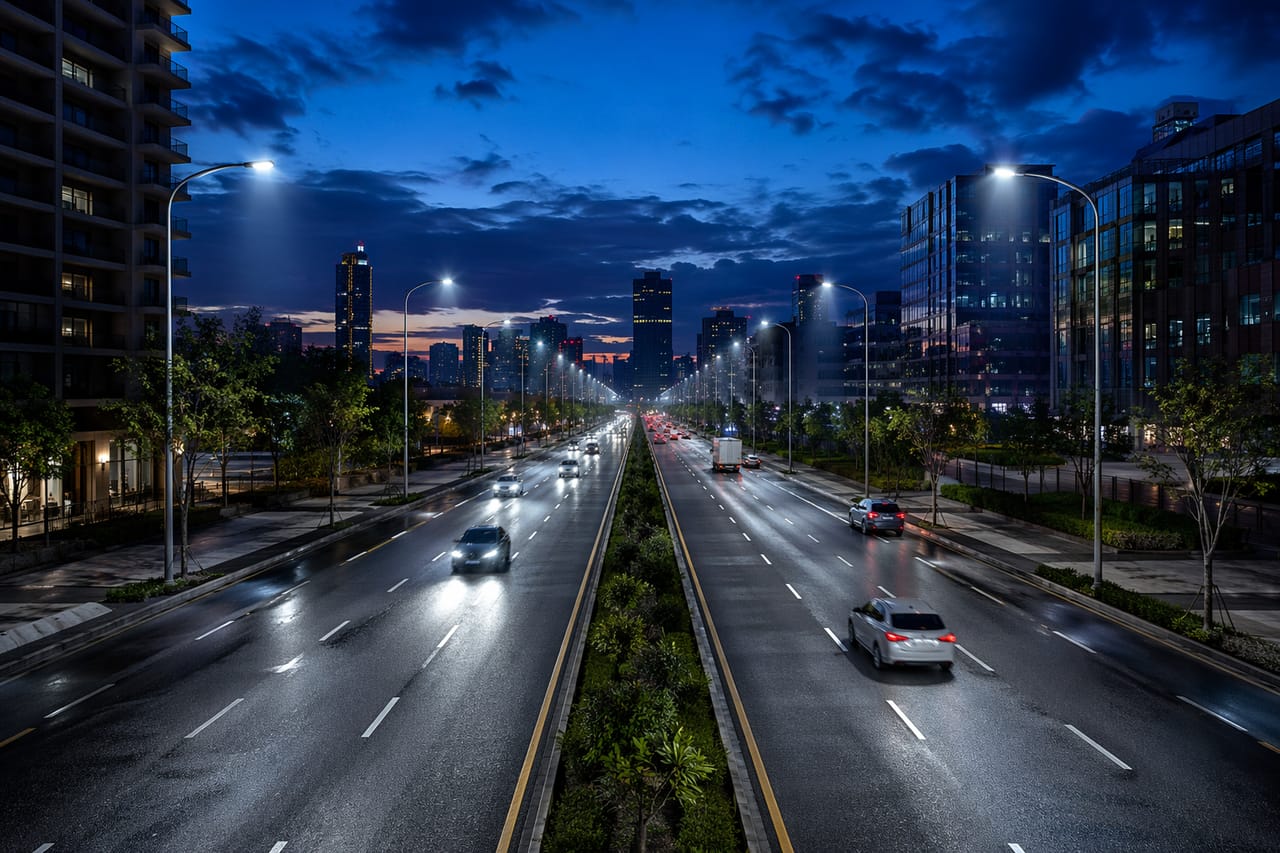
Ungefähre LED-Äquivalente zum Ersatz von Natriumdampf- (HPS) und Halogen-Metalldampflampen (HQI) an Straßen und Hochmasten — vergleichbare oder höhere Fahrbahnbeleuchtungsstärke bei sofortigem Start und deutlich längerer Lebensdauer.
* Ungefähre Watt-für-Watt-Orientierung. Der tatsächliche Ersatz hängt von Optik, Montagehöhe, Mastabstand und Zielklasse ab. Fordern Sie eine DIALux-Studie für einen belastbaren Austauschplan an.
| Klassische Lampe | LED-Äquivalent |
|---|---|
| 150W Natriumdampf-Straßenleuchte (HPS) | 50 – 60W LEDVergleichbare oder höhere Fahrbahnbeleuchtungsstärke |
| 250W Natriumdampf-Straßenleuchte (HPS) | 100 – 120W LEDVergleichbare Beleuchtungsstärke, bessere Farbwiedergabe |
| 400W Natriumdampf-Straßenleuchte (HPS) | 150 – 200W LEDVergleichbare oder höhere Fahrbahnbeleuchtungsstärke |
| 1000W Hochmast HPS / HQI | 300 – 400W LEDVergleichbare Flächenabdeckung |
Für alle 8 Serien gleich
| Betriebsspannung | AC110–280V (Weitbereich) |
| Leistungsfaktor | ≥0,95 |
| Farbtemperatur | 3000K – 6500K |
| Farbwiedergabeindex (CRI) | ≥80 |
| Schutzart (IP) | IP65 |
| Betriebsumgebung | -40°C ~ +50°C |
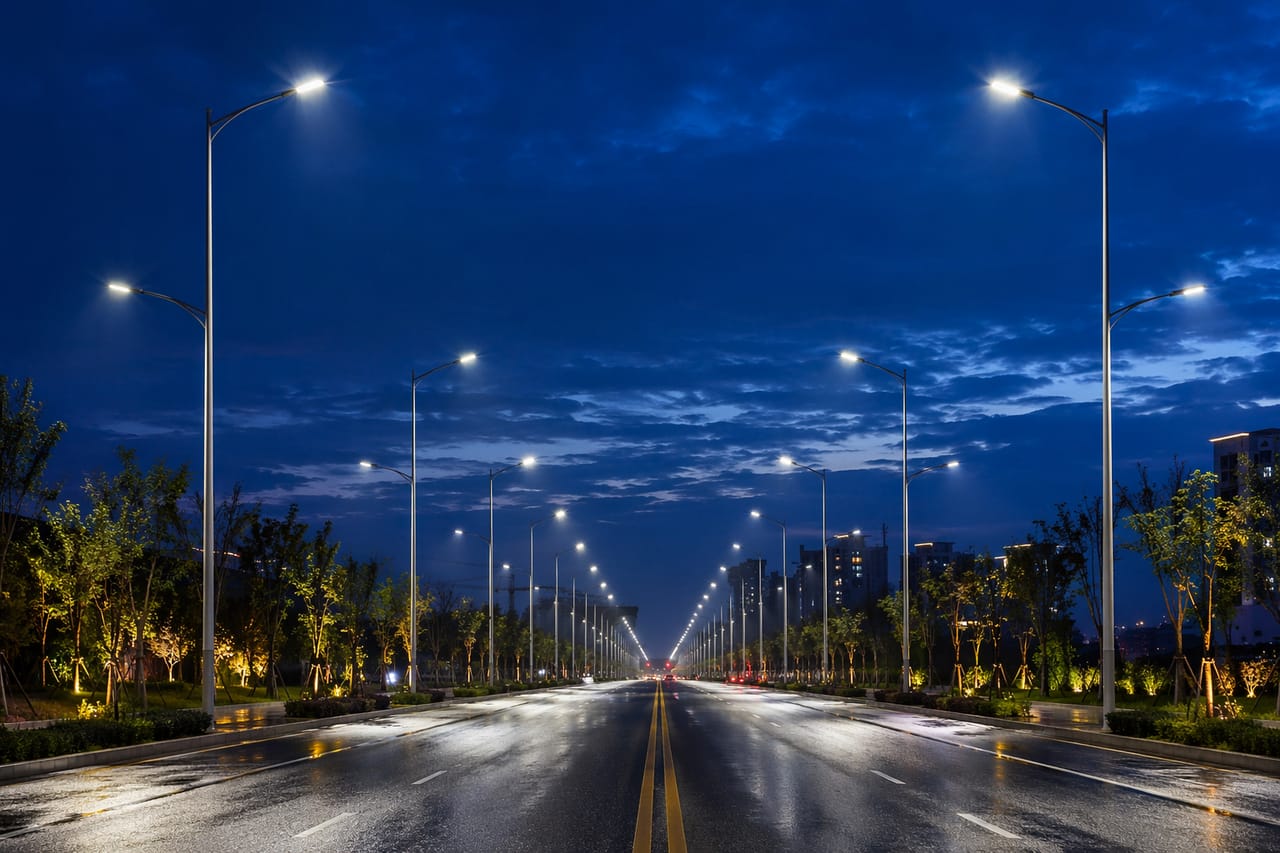
Mehr als eine Kiste Leuchten
Fachplaner, EPC-Unternehmen und Distributoren erhalten hinter jedem Auftrag technische Unterstützung direkt ab Werk.
Photometrische IES-/LDT-Dateien
Photometrische Dateien für jede Serie, direkt einsetzbar in DIALux, Relux und AGi32.
Kostenlose DIALux-Planung
Senden Sie uns die Straßengeometrie und die Zielklasse — Sie erhalten eine Mastanordnung mit Abständen, Beleuchtungsstärke und Gleichmäßigkeit zurück.
OEM-/ODM-Anpassung
Leistung, Farbtemperatur, Optik, Oberfläche und Branding nach Maß — direkt ab Werk.
Weitbereichsspannung und Kälte
AC110–280V Eingang und Kaltstart bis -40°C für schwache Netze und raue Klimazonen.
Vom Gehweg bis zur Autobahn
Autobahnen und Hauptstraßen
Hochleistungsserien Mustang und Modular für Durchgangsstraßen, Auffahrten und Hochmasten.
Stadt- und Wohnstraßen
Golden Bean, Jet und Stellar für komfortable, gleichmäßige Ausleuchtung auf städtischen und lokalen Straßen.
Parkplätze und Industriehöfe
Breitstrahlende Varianten für Parkplätze, Betriebshöfe und Logistikflächen.
Häfen und große Freiflächen
Hochmast-Leistungsklassen für Containerterminals, Ladehöfe und Autobahnkreuze.
Jede SJLD-Straßenleuchte wird nach den Anforderungen von FCC, CE und CCC gefertigt und geprüft, mit IP65-Dichtung. Fordern Sie Kopien der Zertifikate mit Ihrem Angebot an.
Straßenbeleuchtung — Ihre Fragen beantwortet
Welchen Leistungsbereich decken die Straßenleuchten von Sunjoylight ab?
Das SJLD-Straßenleuchtenprogramm reicht von 20W bis 480W über acht benannte Serien. Die kompakten Serien (Golden Bean, Jet, Stellar, Torch) decken etwa 20–150W für Wohn- und Sammelstraßen ab; die Serien mittlerer Leistung (Platypus, LumaX) decken 50–300W für Hauptstraßen ab; die Hochleistungsserien (Mustang, Modular) reichen bis 480W für Autobahnen, Autobahnkreuze und Hochmastanlagen.
Welche Eingangsspannung akzeptieren sie und warum ist das wichtig?
Alle SJLD-Serien akzeptieren einen Weitbereichseingang von AC110–280V. Ein breites Eingangsfenster hält die Lichtleistung in schwachen, ländlichen oder schwankenden Netzen stabil und erlaubt eine einzige Spezifikation für Regionen mit unterschiedlichen Netzspannungen. Der Leistungsfaktor liegt bei ≥0,95, was eine geringe Blindlast und bessere Vereinbarkeit mit den Anforderungen der Netzbetreiber bedeutet.
Halten diese Straßenleuchten sehr kaltem oder heißem Klima stand?
Ja. Die SJLD-Serie ist für eine Betriebsumgebung von -40°C bis +50°C ausgelegt, einschließlich zuverlässigem Kaltstart bei -40°C. Damit eignet sie sich für nordische Winter ebenso wie für Wüsten- und Tropenklima. Nennen Sie uns die Extremwerte Ihres Standorts, dann empfehlen wir die passende Serie und thermische Konfiguration.
Welche Serie passt zu meiner Straßenklasse?
Als Ausgangspunkt: Wohn- und Fußgängerstraßen 20–60W (Golden Bean, Stellar); Sammel- und Stadtstraßen 60–120W (Jet, Torch); Hauptstraßen 120–250W (Platypus, LumaX); Autobahnen, Autobahnkreuze und Hochmast 250–480W (Mustang, Modular). Die endgültige Wahl hängt von Masthöhe, Mastabstand und Zielbeleuchtungsstärke ab — das bestätigen wir mit einer DIALux-Studie nach EN 13201 oder Ihrer lokalen Norm.
Welche Farbtemperaturen und CRI-Werte sind verfügbar?
Die Farbtemperatur reicht von 3000K (warmweiß) bis 6500K (tageslichtweiß), bei einem Farbwiedergabeindex von ≥80. Warme Varianten von 3000–4000K sind in Wohngebieten und bei Anforderungen an geringe Blendung üblich, während 5000–6500K zu Autobahnen und sicherheitsrelevanten Bereichen passt. Nennen Sie uns Ihre Vorgabe, wir konfigurieren sie auftragsbezogen.
Wie wähle ich die richtige Lichtverteilung (Typ II / III / V)?
Die Verteilung bestimmt, wohin das Licht fällt, wie viel neben die Straße gerät und wie weit die Masten auseinanderstehen können. Typ II ist eine schmale seitliche Verteilung für Wege und Masten direkt am Fahrbahnrand; Typ III ist die häufigste asymmetrische Vorwärtsverteilung für allgemeine Straßen und Parkplätze; Typ V ist ein symmetrisches Rundumbild für Knotenpunkte, mittig stehende Masten und Hochmasthöfe. Teilen Sie uns Fahrbahnbreite, Mastposition und Montagehöhe mit, dann empfehlen wir die Verteilung samt IES-Datei für DIALux.
Wie weit dürfen die Masten auseinanderstehen?
Als Faustregel beträgt der Abstand das Drei- bis Vierfache der Montagehöhe — ein 8-m-Mast steht also typischerweise 24–32 m auseinander — der genaue Wert hängt jedoch von Leistung, Optik, Fahrbahnbreite und der geforderten Gleichmäßigkeit Ihrer Klasse ab. Verlässlich ist eine DIALux-Studie mit der IES-Datei der Leuchte auf Ihrer Anordnung, die wir aus Straßengeometrie und Zielklasse kostenlos erstellen.
Bieten Sie OEM / ODM und Projektunterstützung an?
Ja. Sunjoylight ist Direkthersteller mit OEM- und ODM-Unterstützung — Leistung, Farbtemperatur, Optik, Oberfläche und Branding nach Maß. Wir liefern photometrische IES-/LDT-Dateien für DIALux und Relux sowie Planungsunterstützung für Straßen- und Flächenprojekte. Für Sonderanfertigungen gelten Mindestmengen.
Branchen, die wir beleuchten
Erzählen Sie uns von Ihrem Projekt.
Angebot innerhalb von 24 Stunden.
Teilen Sie uns Ihre Anwendung mit — Umgebung, Anforderungen, Stückzahl. Ein echter Ingenieur antwortet innerhalb eines Werktags mit einem passenden Angebot, IES-Dateien und Zeitplan.